When the temperature drops and conditions get tougher, a good drysuit can make all the difference. Whether you're sailing, kayaking, paddleboarding, kitesurfing or taking part in multisport activities, a drysuit is designed to keep water out while giving you the freedom to move.
Unlike a wetsuit, a drysuit doesn't rely on a layer of water trapped against your skin for insulation. Instead, it creates a waterproof barrier around you, while your base and thermal layers provide the warmth underneath.
From choosing the right fabric and entry system to understanding seals, socks and fit, this guide covers everything you need to know before buying a drysuit.
What Is a Drysuit?
A drysuit is a waterproof outer layer designed to keep you dry in and around the water. Unlike a wetsuit, it doesn't provide its primary insulation through neoprene thickness. Instead, it works as a waterproof shell, with your choice of layers underneath providing the insulation.
Modern surface drysuits typically use breathable waterproof fabrics, combined with watertight neck and wrist seals and either integrated socks or ankle seals. The result is a versatile system that can be adapted to different temperatures and activities.
This makes drysuits particularly useful for dinghy sailing, kayaking, paddleboarding, kitesurfing, multisport and other cold-water activities.
What type of drysuit do I need?
The best drysuit depends on what you're doing on the water.
Sailing Drysuits
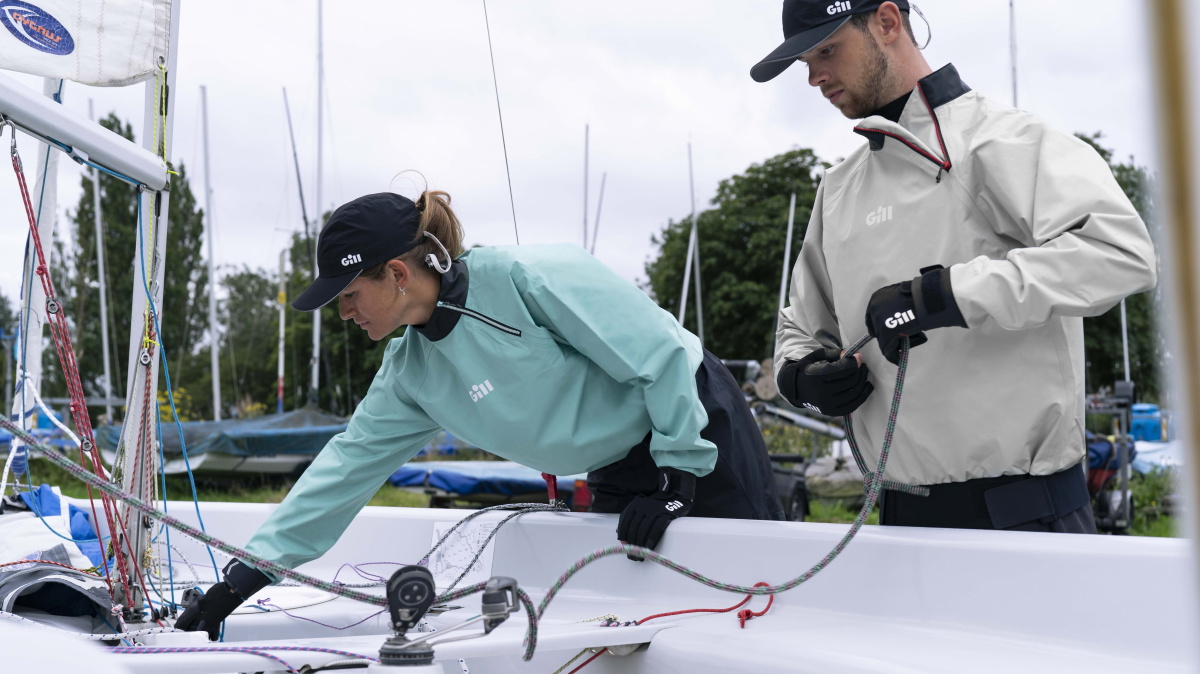
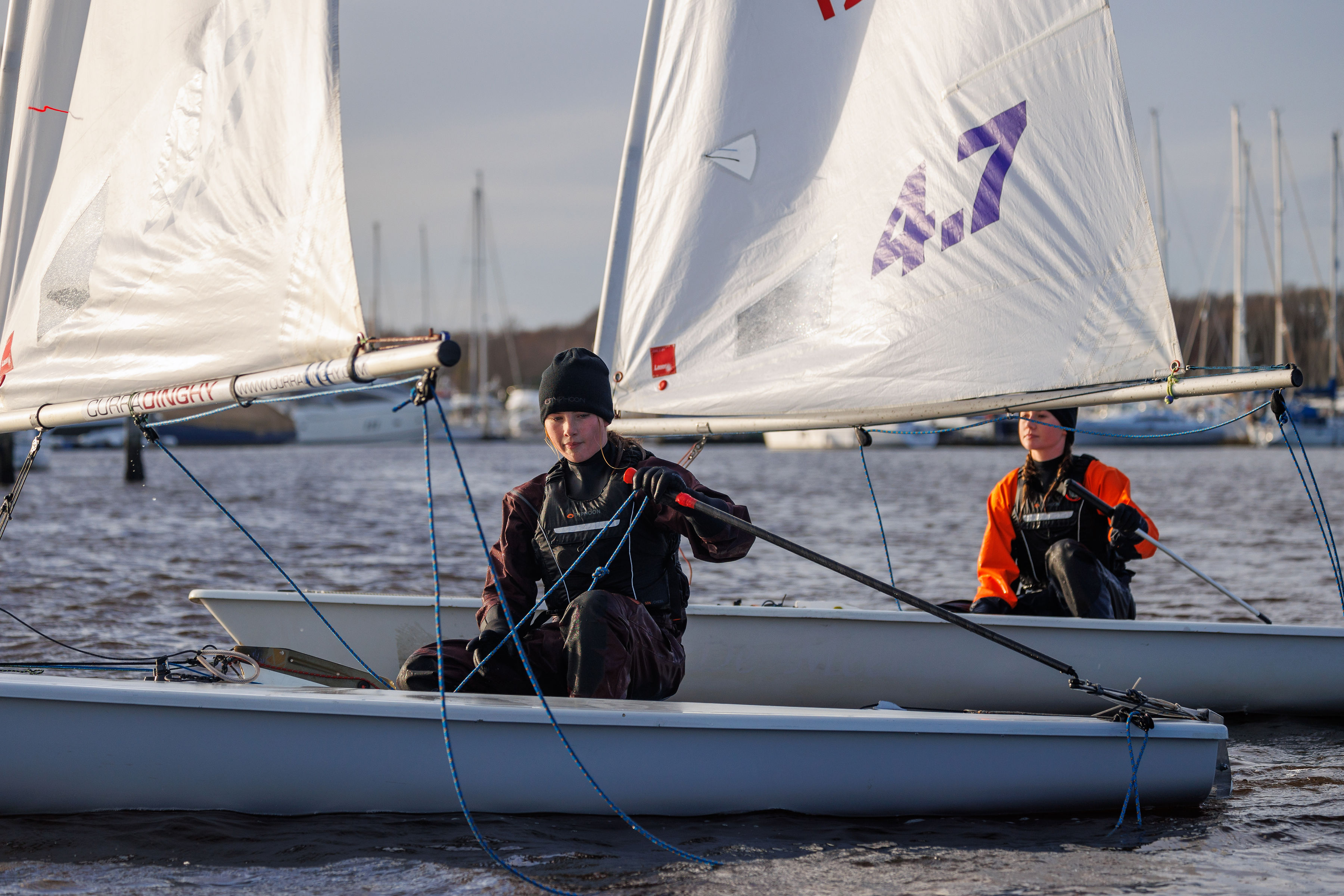
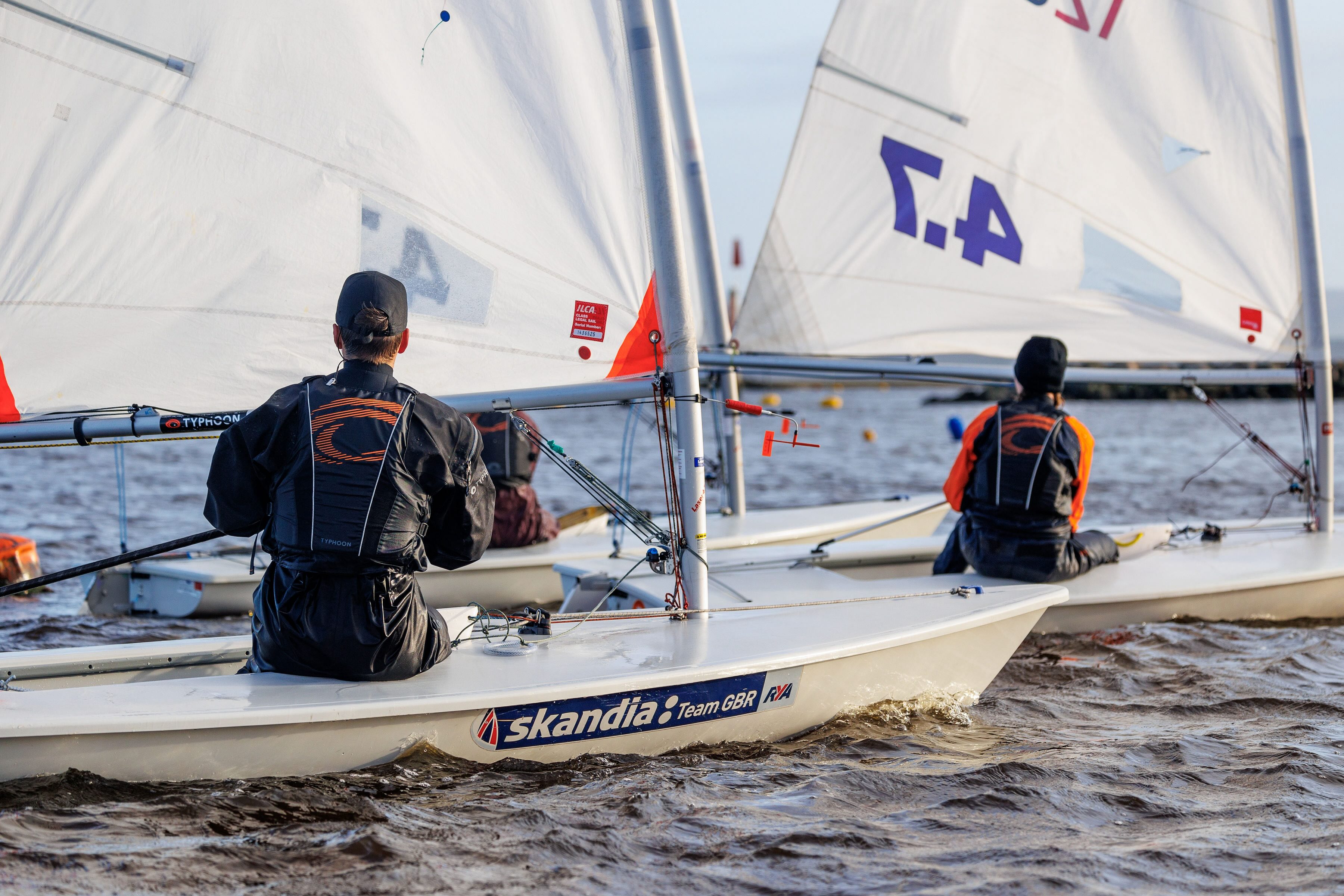
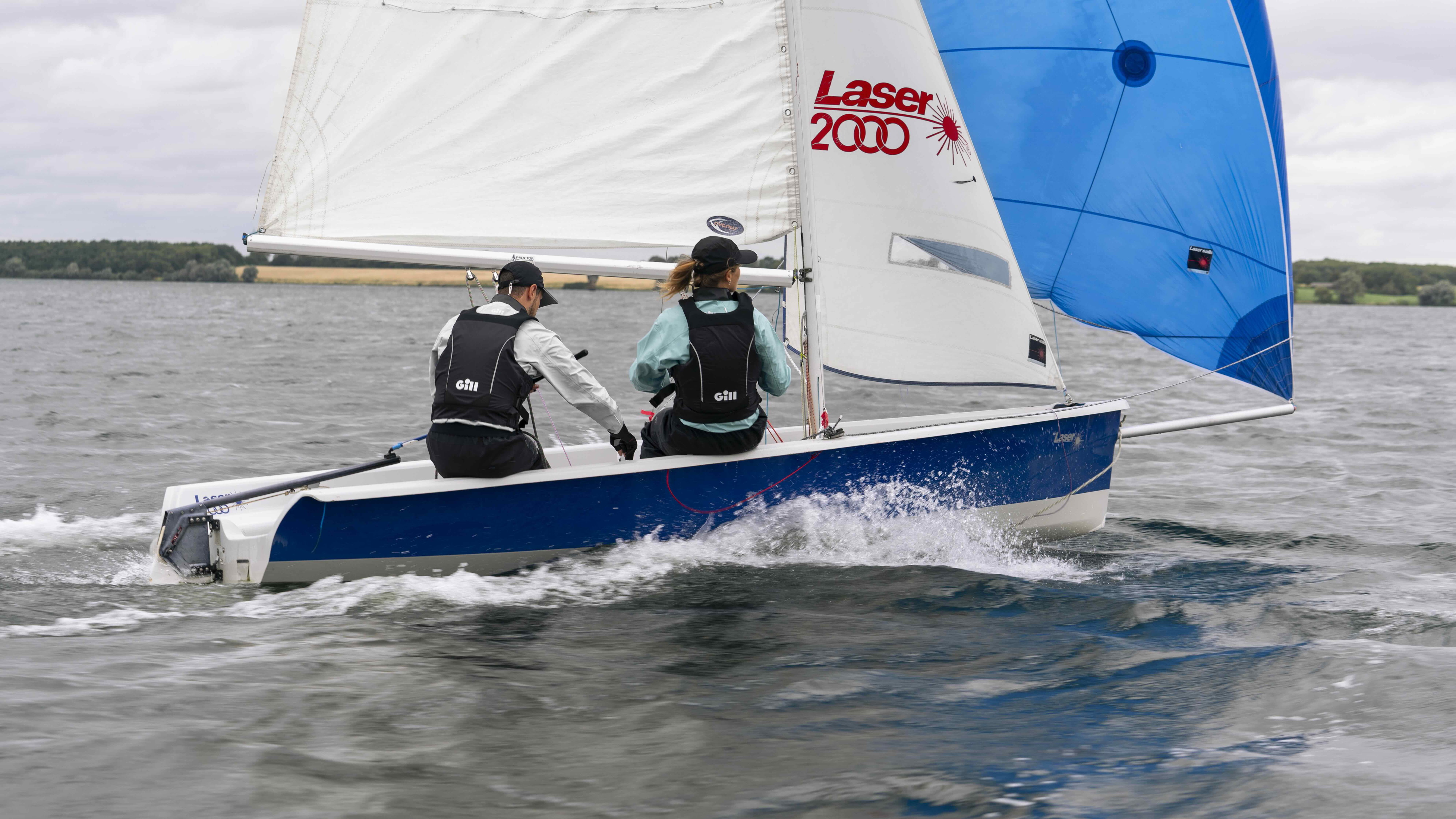
Drysuits are particularly popular with dinghy sailors who need protection from spray, wind and cold water without restricting movement.
Look for:
Articulated knees and arms
Reinforced seat and knees
Good freedom of movement
Durable waterproof fabrics
Easy-access pockets
Comfortable seals
A suitable entry system for getting in and out quickly
For regular racing, a lightweight, flexible suit can be particularly useful. For colder recreational sailing, prioritise durability and consider how much room you'll need for thermal layers underneath.
Kayaking Drysuits
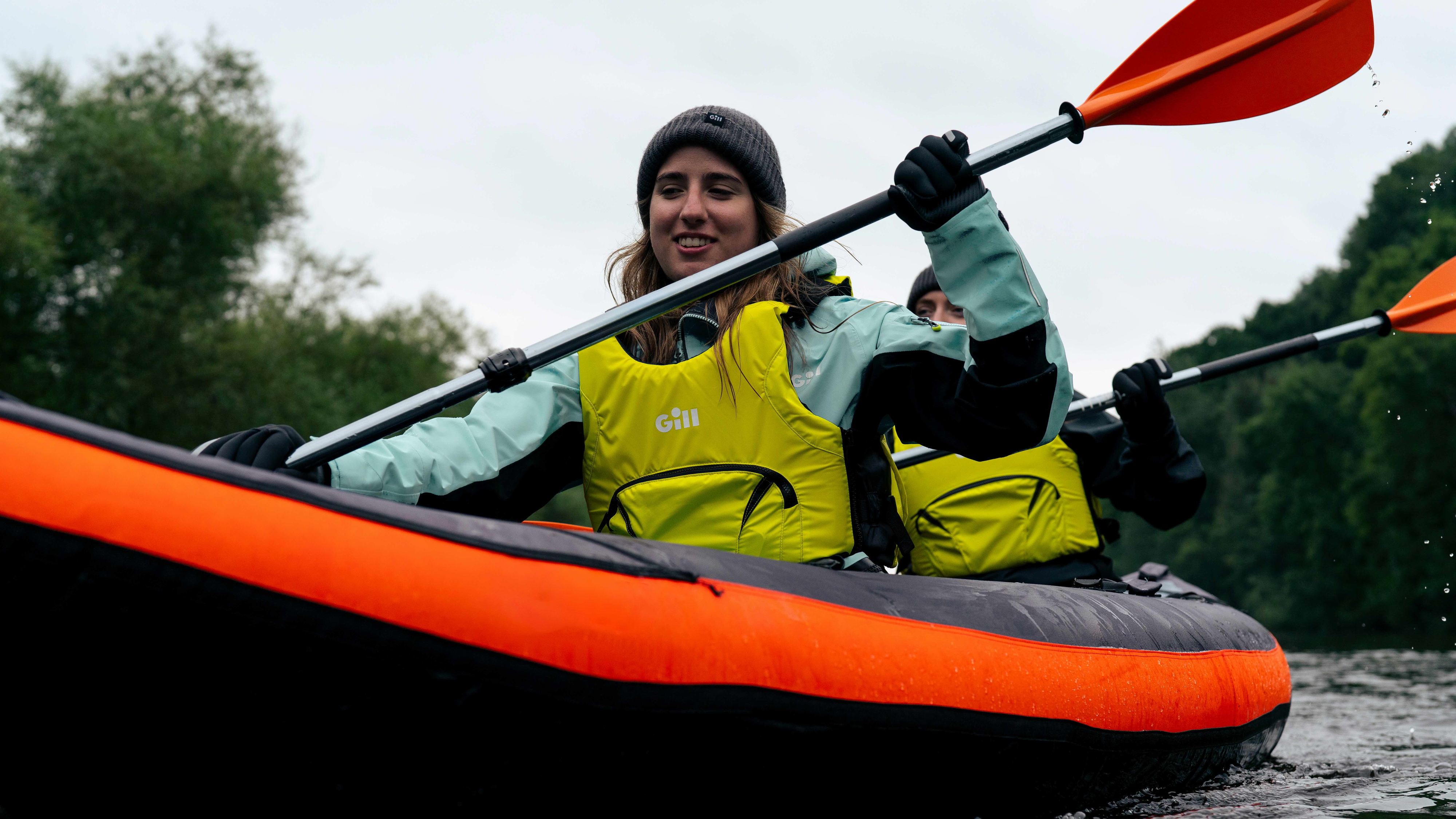
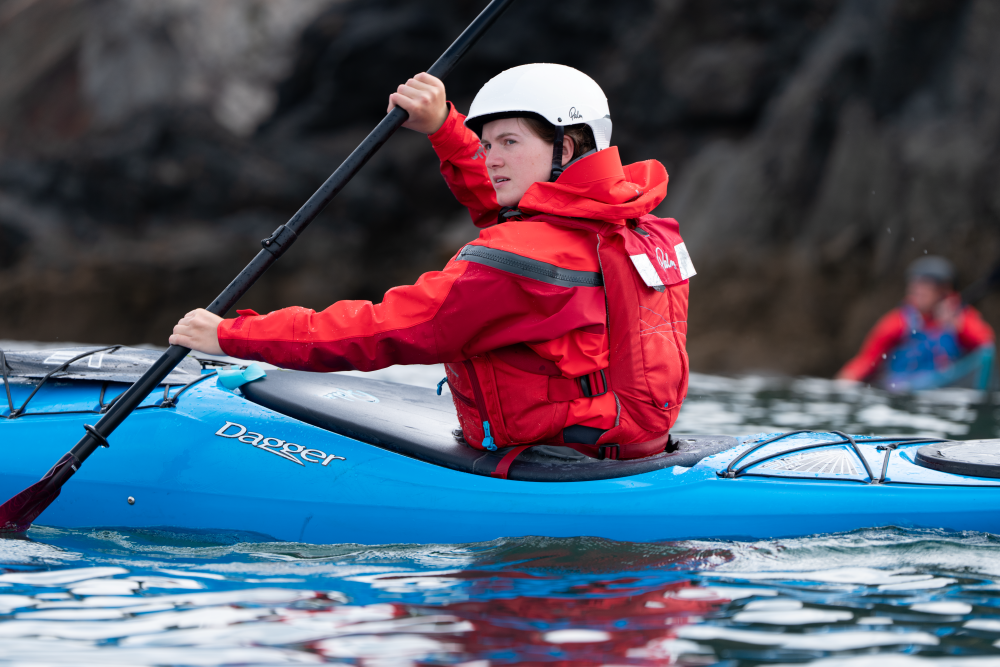
Kayaking places different demands on a drysuit. You'll spend a lot of time seated, moving your upper body and potentially coming into contact with rocks, spray and the kayak itself.
Look for:
Reinforced seat and knees
Articulated fit
Fabric socks
Breathable construction
Easy-access entry
Adjustable braces
Pockets for essentials
Some dedicated kayak suits also feature convenience or drop-seat systems, making changing or answering nature's call considerably easier without having to remove the whole suit.
SUP & Multisport Drysuits
For paddleboarding and multisport use, versatility is key. Look for a lightweight, breathable suit that allows plenty of movement and gives you enough room to adapt your layering to changing conditions.
A simpler front-entry suit can be an excellent option for occasional users, while more technical suits are worth considering if you're regularly on the water in cold conditions.
Drysuit Materials Explained
The fabric used in a drysuit affects its waterproofing, breathability, durability, weight and flexibility.
Membrane / Shell Drysuits
Membrane drysuits are essentially a waterproof outer shell. They don't provide significant insulation themselves, which means you can control your warmth by changing what you wear underneath.
This makes them extremely versatile.
Advantages include:
Lightweight construction
Excellent freedom of movement
Breathability
Adaptability across different temperatures
Easy layering
They're particularly popular for sailing, kayaking and paddleboarding.
Neoprene Drysuits
Neoprene drysuits provide some insulation from the suit itself, meaning they can feel warmer without relying as heavily on multiple layers underneath.
They can, however, be heavier and less flexible than a lightweight membrane suit.
They're worth considering if warmth is a priority and you're looking for additional insulation from the suit itself.
Hybrid Construction
Some modern drysuits combine different materials and technologies to balance flexibility, durability and protection.
Rather than simply choosing between "neoprene or membrane", look at where different materials have been used. Reinforced panels, stretch fabrics and different seal constructions can all make a noticeable difference to how a suit performs.
Drysuit Entry Systems Explained
One of the biggest decisions you'll make is how you get into the suit.
There isn't one universally "best" system. The right option depends on your activity, how often you'll be getting changed and whether you'll be putting the suit on without assistance.
Front Zip
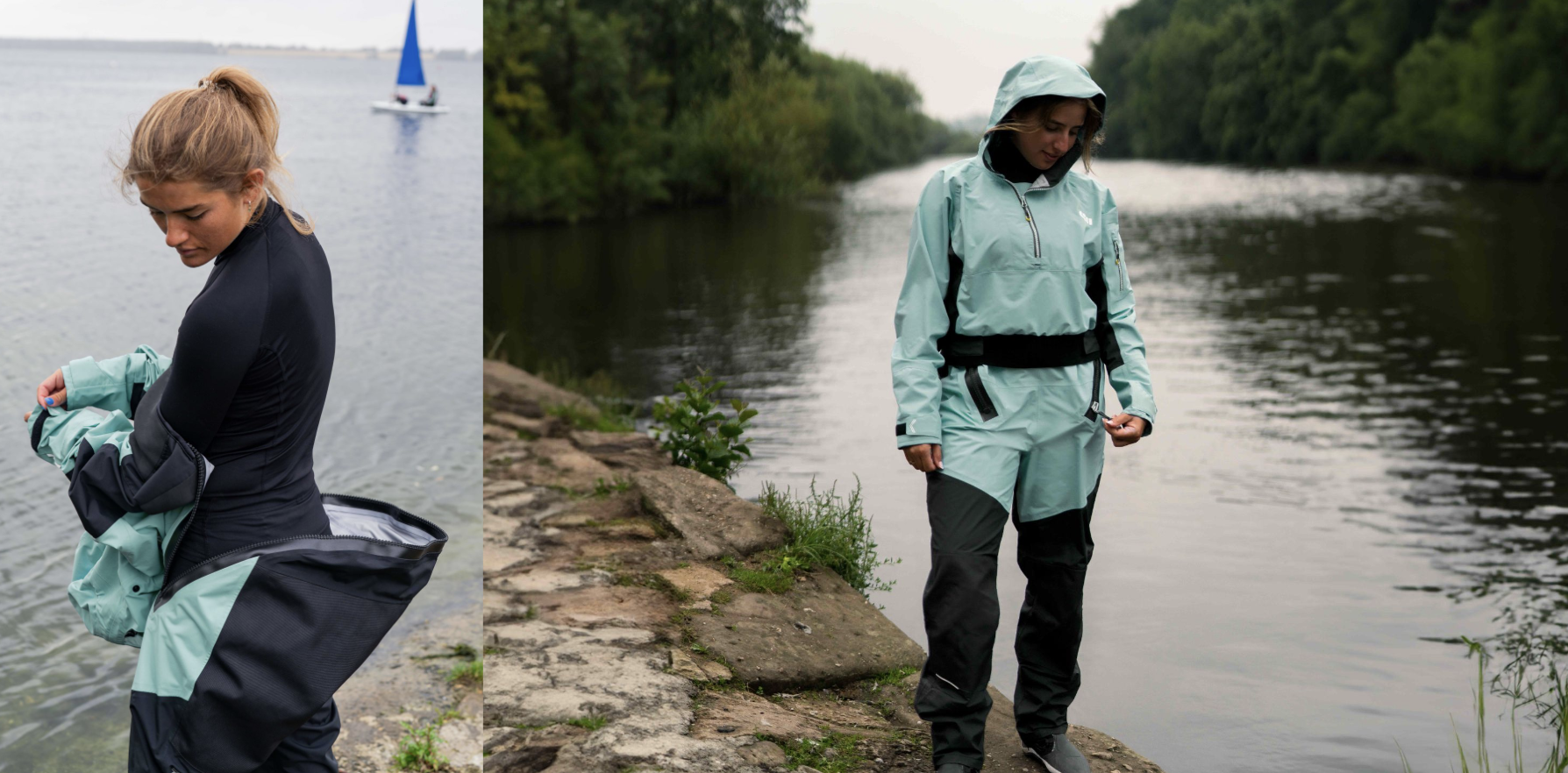
Front-entry drysuits have the main waterproof zip running across the front of the suit.
Benefits:
Easy to get into and out of
Can generally be used without assistance
Convenient for changing
Good option for general watersports
The main consideration is ensuring the zip doesn't interfere with your movement or equipment.
Our current range includes front-entry options from brands including Zhik, Palm and Nava Performance.
Back Zip
Back-entry drysuits place the main zip across the back.
They can provide a clean front panel and can be particularly comfortable when sitting or moving around, but traditionally they can be more difficult to put on and remove without assistance.
Some modern designs, however, make the process considerably easier.
For example, we currently stock back-entry suits which include the Typhoon Hypercurve 2.0 and Palm Atom.
Best for: sailors, paddlers and watersports users who prioritise comfort and don't mind a slightly less straightforward entry.
U-Zip
A U-zip is a variation of front entry where the zip runs in a horseshoe-style configuration around the upper body.
The design gives you a large opening, making it easier to get your arms and body through the suit.
Best for: users who want easy donning and a combination of flexibility, comfort and accessibility.
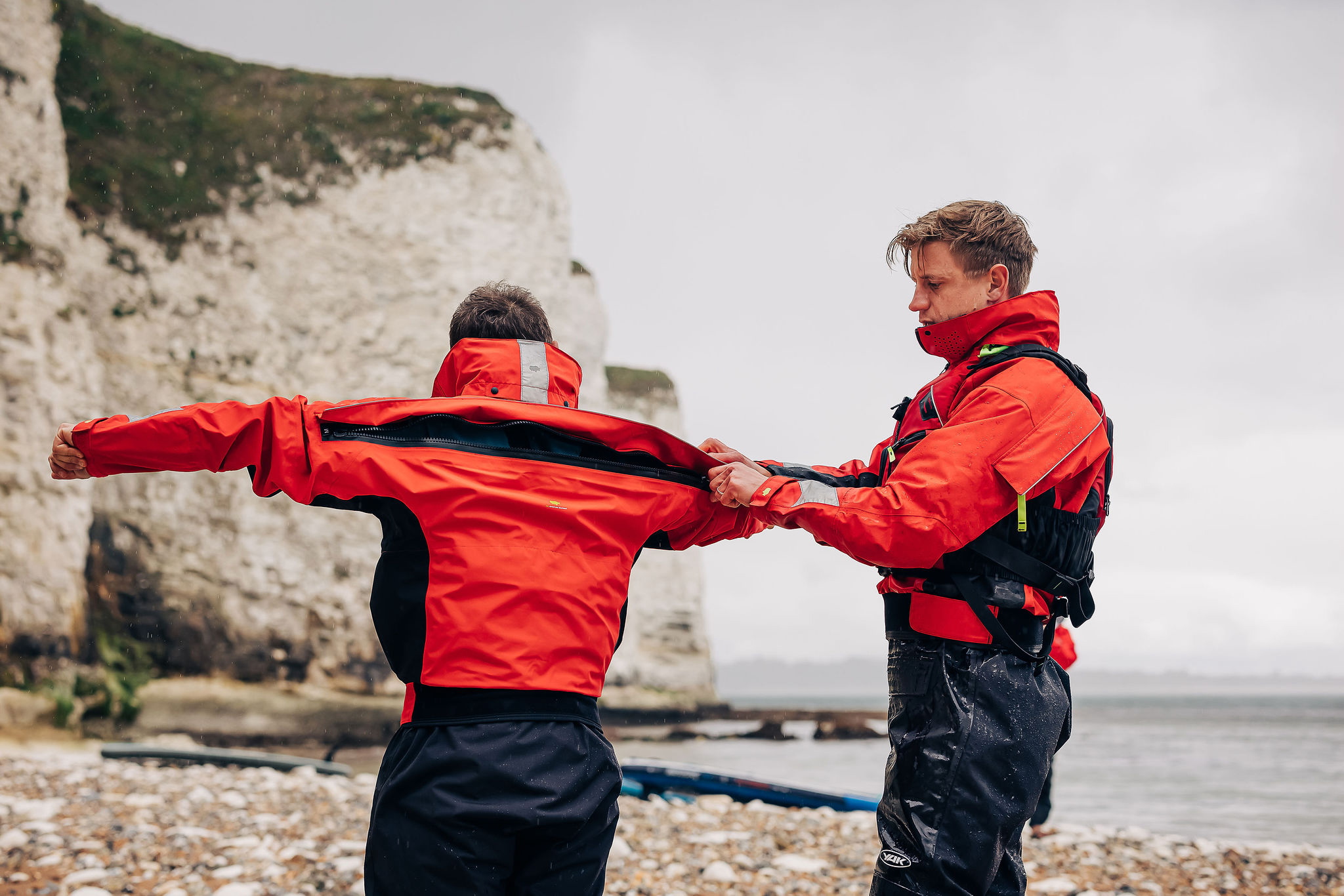
Hinge Entry
Hinge-entry systems are particularly worth understanding because they're increasingly common in technical drysuits.
Rather than simply opening the suit at the front or back, the zip is positioned so the upper section effectively opens out, making it easier to step into the suit.
The key benefit is ease of donning and comfort, particularly when putting the suit on yourself.
Typhoon currently offers several hinge-entry drysuits, including the Roan, PS440 and dedicated Sea Kayak models.
Many also incorporate a drop-seat function, using the main entry zip to provide easier access when nature calls.
Total upper body freedom: Because there is no rigid zipper running across your chest or shoulders, you get completely unhindered flexibility in your upper torso. This makes it a favourite for highly dynamic sports like kayaking, canoeing, and stand-up paddleboarding
Best for: regular sailors, kayakers and anyone who wants easy entry combined with a highly functional technical suit.
Neck & Wrist Seals
The seals are some of the most important parts of a drysuit. They're what stop water entering around your neck and wrists.
Latex Seals
Latex provides an excellent watertight seal and is commonly found on technical drysuits.
Pros:
Excellent seal
Lightweight
Flexible
Effective against water ingress
Cons:
Can be more susceptible to damage
Requires care when putting the suit on and taking it off
Can deteriorate over time
Neoprene Seals
Neoprene seals tend to feel softer and can be more comfortable for some users.
They're generally more robust than latex but can feel tighter and may not provide quite the same close-fitting seal.
You'll also find Glideskin neoprene seals on a number of current drysuits, including models from GUL and Typhoon.
Important: whichever seal you choose, it should sit comfortably against your skin without causing excessive restriction.
Socks, Boots & Ankle Seals
Drysuits generally use either integrated fabric/neoprene socks or ankle seals designed to be used with separate footwear.
Integrated Socks
These are attached directly to the drysuit and create a waterproof continuation of the suit.
They're particularly useful for kayaking and other activities where keeping your feet dry is important.
You'll find fabric socks across many of the current drysuits on the market.
Ankle Seals
Some suits use ankle seals instead, allowing you to choose your own footwear.
This can offer more flexibility if you already have suitable wetsuit boots or specialist watersports footwear.
How Should a Drysuit Fit?
This is one of the most important parts of choosing a drysuit.
A drysuit should not fit like a wetsuit.
You don't want it skin-tight. Instead, it should provide enough room for your base and thermal layers while still allowing you to move freely.
When trying a drysuit on, check:
Shoulders
You should be able to reach forwards and overhead without the suit pulling uncomfortably across your shoulders.
Arms
You should have enough room to bend and extend your arms without the cuffs being pulled excessively.
Torso
There should be enough length through the body to allow you to sit, crouch and bend without the suit becoming restrictive.
Seat
When sitting down, particularly in a kayak or dinghy, the suit shouldn't pull excessively across your back or crotch.
Knees
You should be able to crouch, kneel and bend your legs without feeling restricted.
Crotch / body length
This is particularly important. If the suit is too short through the body, movement will be restricted and the seals can be placed under unnecessary tension.
Feet
If the suit has integrated socks, make sure they aren't excessively tight or loose and that your chosen footwear fits comfortably over them.
The "Squat Test"
One of the simplest ways to check the fit is to put the suit on with the layers you'd normally wear underneath, then:
Raise your arms above your head.
Reach forwards.
Sit down.
Squat or crouch.
Bend your knees.
Rotate your upper body.
You should be able to perform these movements without the suit pulling excessively anywhere.
A little spare material is normal and desirable. The suit needs to accommodate movement and layering.
If you're between sizes, don't automatically size down. Check the manufacturer's measurements and consider your intended layering system. Our current range includes suits with quite different sizing systems, so always use the individual product's size chart rather than assuming your usual clothing size will translate directly.
Layering Under a Drysuit
A drysuit keeps you dry. Your layers keep you warm.
This is particularly important with membrane drysuits.
Fleece or specialist drysuit underfleece is a popular choice because it provides warmth without excessive bulk.
We currently offer dedicated underfleece options and bundles from brands including Typhoon, GUL, Zhik and Crewsaver.
Adjust According to Conditions
The beauty of a shell drysuit is that you can change your insulation depending on the conditions.
A thin base layer may be enough on a mild day, while colder conditions may call for a base layer plus a thicker thermal or fleece layer.
Don't buy a drysuit several sizes too large simply to fit excessive layers underneath. The aim is to have enough room for your normal thermal system while retaining a controlled, comfortable fit.
Other Features to Look For
Reinforced Panels
If you're regularly sitting, kneeling or crawling around on your knees, look for reinforced seat and knee panels.
These can significantly improve durability, particularly for kayaking and dinghy sailing.
Pockets
Consider where you need to carry essentials.
Some suits feature waterproof or water-resistant pockets, while others include external storage for small tools, keys or safety equipment.
Braces
Internal braces help keep the suit positioned correctly and can make a significant difference to comfort, particularly during long sessions.
Hoods
Some technical drysuits incorporate an adjustable hood or storm collar, while others leave the head and neck completely open.
Think about your activity and whether you'll already be wearing a separate hood.
Reflective Details
For offshore, rescue or low-light use, reflective details and high-visibility colours can be an important safety consideration.
Which Drysuit Brand Should I Choose?
At Wetsuit Outlet, we stock a wide range of drysuits from specialist watersports brands, with options for everything from first-time users through to serious sailors and paddlers.
A strong choice for sailing, with suits designed around protection, comfort and value. The Atacama Sport+ is one of our best sellers and is available with an underfleece.
A long-established name in dinghy sailing and watersports. GUL's range covers accessible entry-level options through to more technical designs such as the Dartmouth model.
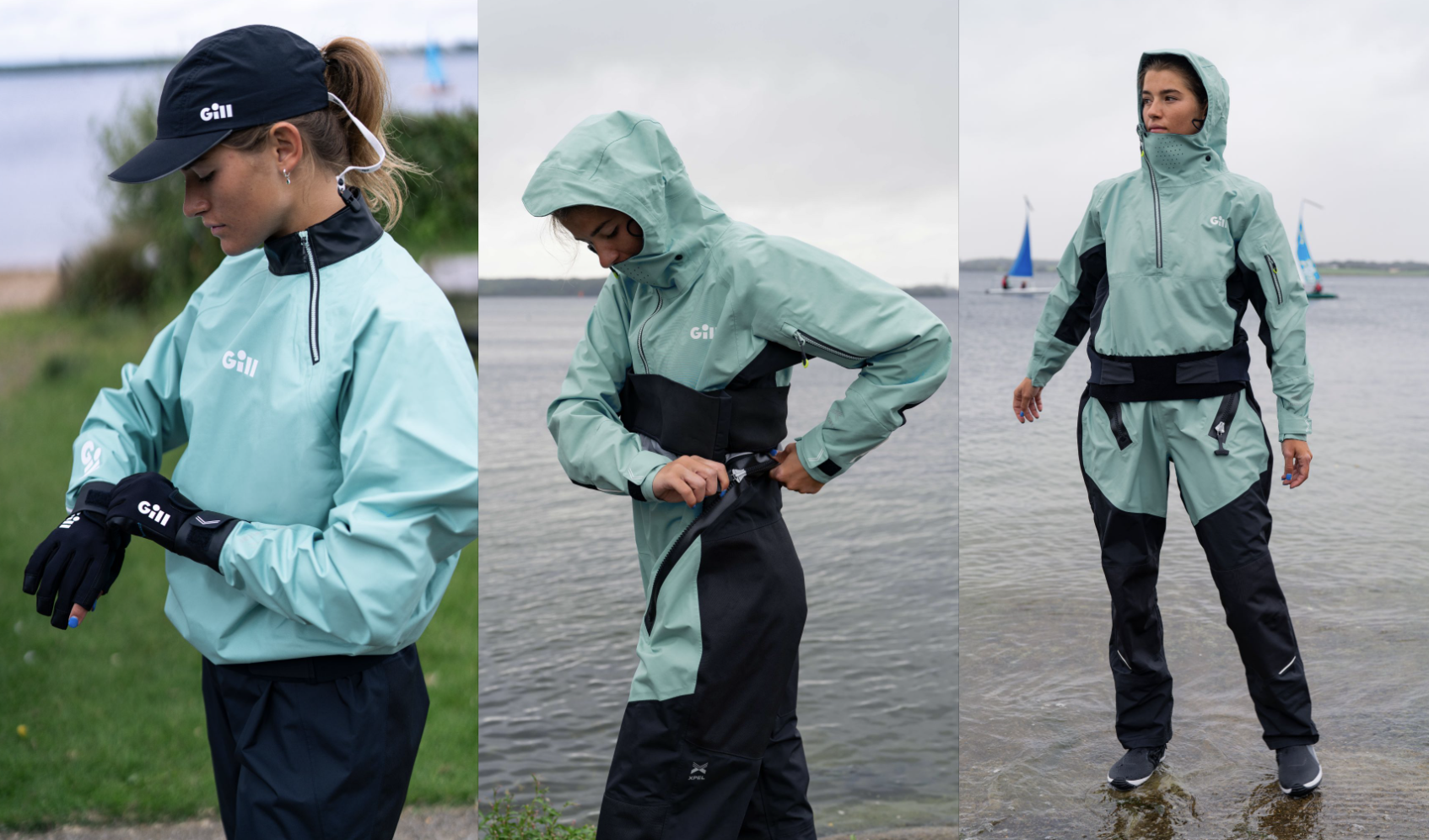
Known for technical sailing clothing and equipment, Gill's drysuits focus on waterproof protection, comfort and performance, with options including the Pro and Verso ranges.
A newer addition to our range at Wetsuit Outlet drysuit range, Choose Peak PS for your next drysuit because their decades of British design heritage deliver rugged, ethically manufactured, and highly innovative whitewater and touring gear tailored perfectly to British waters
One of the most established names in drysuits, with a heritage stretching back decades. Typhoon pioneered lightweight drysuit technology and continues to produce suits for sailing, kayaking, rescue and multisport use.
Its current range includes everything from the Hypercurve back-entry suit to advanced hinge-entry and sea-kayak designs.
A performance sailing brand offering technical drysuits designed around movement and protection, including the Front Zip Performance Drysuit and Junior Performance Drysuit.
Drysuit vs Wetsuit: Which Should You Choose?
The answer depends on the activity and conditions.
Choose a drysuit if you:
Spend long periods in cold conditions
Want to stay completely dry
Need to adjust your insulation throughout the day
Sail, kayak or paddle in winter
Want maximum protection from wind and spray
Regularly enter or fall into cold water
Choose a wetsuit if you:
Need the suit itself to provide insulation
Spend a lot of time immersed in the water
Prefer a closer-fitting garment
Are taking part in activities where a wetsuit is more practical
For some activities, the choice isn't either/or. Your preferred kit can change throughout the year depending on water temperature, air temperature, activity and how long you'll be on the water.
How to Look After Your Drysuit
A good drysuit is an investment, so looking after it properly can significantly extend its lifespan.
After Every Use
Rinse the suit with fresh water, particularly after use in salt water.
Dry Thoroughly
Allow the suit to dry completely before storing it. Avoid putting it away damp.
Look After the Zip
Follow the manufacturer's instructions for cleaning and lubricating the waterproof zip. Don't force a zip that feels stiff or obstructed.
Inspect neck and wrist seals regularly for signs of cracking, splitting or deterioration.
Check for Damage
Look over seams, reinforced panels, socks and the main body of the suit regularly, particularly after use around rocks, boats or other abrasive surfaces.
Store Correctly
Keep the suit somewhere cool, dry and away from prolonged direct sunlight.
For more detailed maintenance advice, we also have a dedicated Drysuit Care & Repair Guide alongside its other drysuit resources.
Ready to Find Your Drysuit?
The right drysuit comes down to where you use it, how often you use it, the conditions you face and how you prefer to layer underneath.
If you're still unsure, start with these four questions:
1. What activity will I use it for? Sailing, kayaking, SUP and multisport suits can have very different priorities.
2. How cold are the conditions? Think about both water and air temperature.
3. How do I want to get in and out? Front, back, U-zip and hinge-entry systems all have different benefits.
4. What will I wear underneath? Make sure there's enough room for your normal thermal layers without the suit becoming excessively loose.
Explore the full range of surface drysuits at Wetsuit Outlet to find the right combination of protection, fit and performance for your next session.
If you need any help, we have a team of experts ready to help.







.jpg)
-jpg-2.jpeg)